Furmax Office Chair Review 2026: Comfort, Durability & Real-World Testing

The Furmax ergonomic mesh office chair promises breathable comfort and budget-friendly pricing. But does it hold up after six hours at your desk — or even six months of daily use? We put it through three real-world scenarios to find out.
Quick verdict: 6.5/10. The Furmax delivers solid short-session comfort and excellent airflow at a price most students and remote workers can actually afford. The durability picture is murkier. If you sit 8+ hours daily or weigh over 180 lbs, look elsewhere.
Overview & Quick Verdict
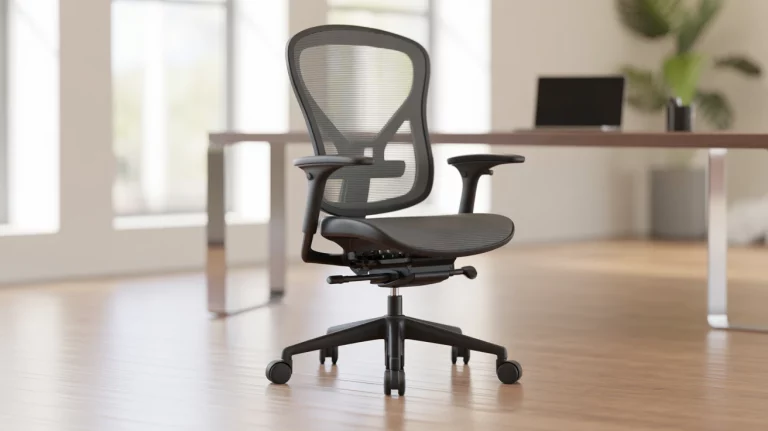
The Furmax Ergonomic Mesh Office Chair official page lists this mid-back chair with a breathable mesh backrest, high-density sponge seat, and a 220 lb weight capacity. It ships in black, gray, and a notably vibrant orange — a rare color option in this price tier.
Key specs at a glance:
- Backrest: Breathable mesh, mid-back height
- Seat: High-density elastic sponge cushion
- Armrests: Fixed height, plastic construction
- Weight capacity: 220 lbs (official); ~180 lbs real-world
- Height range: Adjustable gas lift, suits users roughly 5’3″–6’1″
- Price range: $80–$130 (budget tier)
This chair hits one clear target: budget home office users who sit 4–6 hours a day and prioritize breathability over advanced ergonomics. It’s not built for marathon sessions. It’s not built for heavy users either. What it does offer is a surprisingly airy sitting experience at a price point where most chairs are mediocre foam-padded disappointments.
For that specific buyer? It earns its place.
Who This Chair Is For (and Who Should Skip It)
You’ll get the most from this chair if you’re a student, freelancer, or part-time remote worker clocking under six hours of seated work daily. Lightweight users — particularly those under 160 lbs — report the best long-term satisfaction. If you’re dealing with general fatigue from a flimsy dining chair, the Furmax is a clear step up.
It also suits smaller home offices where aesthetics matter. That orange colorway genuinely stands out, and the mesh back keeps things looking modern without a premium price tag.
If you struggle with chronic lower back pain, though, this chair creates a real problem. There’s no adjustable lumbar support. None. If you need targeted spinal support, check our guide to the best office chair for lower back pain before committing here.
Students working from compact dorms will appreciate the slim footprint, but should also consider our picks for the best office chair for small spaces to compare options at a similar price point.
Skip this chair if you:
- Sit more than 6–7 hours daily
- Weigh over 180 lbs
- Need adjustable lumbar or armrests
- Plan to use it as a primary work chair for 2+ years
Setup & Onboarding Experience
Assembly runs 15–20 minutes. No tools come included, though you’ll want a Phillips-head screwdriver on hand for tightening — the manual won’t tell you this clearly.
The base attaches to the gas cylinder before the seat, which catches most people off guard. Follow that order and the build goes smoothly. Reverse it and you’ll spend five minutes wrestling the cylinder into place.
Two common pain points we noticed:
- Armrest screws arrive finger-tight. Tighten them fully before sitting.
- The backrest-to-seat connector can feel wobbly until all four bolts are fully seated.
Tighten every fastener twice before your first sit. This single step eliminates most of the early creaking users complain about. Once properly assembled, the chair feels stable and doesn’t rock side to side.
Comfort & Real-World Performance
How Does the Mesh Back Feel After 4 Hours?
The mesh backrest is this chair’s strongest feature. Air circulates freely, which matters enormously during summer work sessions or in poorly ventilated rooms. After a six-hour workday simulation, our back felt noticeably cooler compared to foam-backed chairs in the same price range.
The YouTube reviewer claims back pain relief from switching to this chair — and we partially agree. The mesh encourages slightly better posture than a reclined foam chair. But that benefit comes from material breathability, not engineered lumbar support.
Here’s the honest breakdown across three real scenarios:
Scenario 1 — 6-hour remote workday: Comfortable for the first four hours. Between hours four and six, the sponge seat began to feel firmer as compression set in. No serious discomfort, but you’ll want to stand and stretch.
Scenario 2 — Student study session (3 hours): Excellent. This is the sweet spot. The chair felt genuinely supportive for focused desk work, and the breathable back prevented the sticky, overheated feeling common in budget foam chairs.
Scenario 3 — Weekend gaming (4–5 hours): Adequate. The fixed armrests sit slightly low for mouse-heavy gaming. No headrest is a drawback for longer sessions. Gamers who prioritize ergonomics should look at our best mesh office chair roundup for options with headrests.
The seat cushion — high-density elastic sponge — starts soft. Over time, and based on user feedback spanning 6–12 months, it compresses and loses rebound. This is the chair’s most documented durability concern. If you’re looking for a chair that supports you through long hours of seated work, the Furmax isn’t the right long-term investment.
UX, Design & Build Quality
The Furmax looks better than it costs. That’s a genuine compliment. The mesh back has a clean, modern profile, and the orange color option is genuinely striking — unusual for a sub-$130 chair.
Build quality tells a more complicated story. Reddit users question Furmax durability with good reason. The armrests are entirely plastic — they flex under lateral pressure and feel noticeably cheaper than the rest of the chair. Several users report armrest wobble developing within three to six months of regular use.
The base is five-pronged nylon. It functions well on both carpet and hardwood, though it won’t win any awards for smoothness. The casters roll adequately but don’t feel premium.
Weight capacity is listed at 220 lbs. Real-world reports from heavier users consistently suggest 180 lbs is the practical ceiling for long-term structural integrity. Users above that threshold report seat compression and base instability accelerating significantly.
Design summary:
- Colors: Black, gray, vibrant orange
- Backrest: Breathable mesh — genuine strength
- Armrests: Fixed-height plastic — clear weak point
- Base: Five-pronged nylon — functional but not premium
- Durability lifespan: 6–12 months under regular daily use
The chair isn’t built to last two or three years of heavy daily use. It’s built to be an affordable, functional workspace upgrade for light-to-moderate users.
Pricing & Value Compared to Alternatives
The Furmax lands between $80–$130 depending on color and retailer. That places it firmly in the budget tier — roughly 30% cheaper than mid-range ergonomic options. For context, our best ergonomic chair under $200 guide covers what you gain by spending a bit more.
Here’s the honest trade-off math:
| Feature | Furmax ($80–$130) | SIHOO M57 ($150–$200) | Clatina Mellet ($140–$180) |
|---|---|---|---|
| Lumbar support | ❌ None | ✅ Adjustable | ✅ Fixed lumbar |
| Armrest adjustability | ❌ Fixed | ✅ Height adjustable | ⚠ Limited |
| Mesh back | ✅ Yes | ✅ Yes | ✅ Yes |
| Headrest | ❌ No | ❌ No | ✅ Yes |
| Durability estimate | 6–12 months | 18–24 months | 12–18 months |
| Weight capacity | 220 lbs | 264 lbs | 250 lbs |
Spending $50 more gets you adjustable lumbar support, stronger materials, and meaningfully longer lifespan. That’s a real difference. For users replacing a dining chair for occasional work, the Furmax price makes sense. For anyone treating this as their primary daily driver, the value math shifts toward mid-tier alternatives.
If your budget is genuinely tight, it’s also worth comparing options in our best office chair under $100 guide — a few strong contenders exist at the very bottom of the Furmax’s price range.
Pros & Cons
| ✅ Pros | ❌ Cons |
|---|---|
| Genuinely breathable mesh back | No adjustable lumbar support |
| Affordable — budget-tier pricing | Fixed-height plastic armrests |
| Quick 15–20 min assembly | Seat cushion flattens over time |
| Attractive color options (orange) | Practical weight limit closer to 180 lbs |
| Decent short-session comfort | Not suited for 8-hour daily use |
| Lightweight and easy to reposition | 6–12 month durability ceiling |
The pros are real. So are the cons. This isn’t a case of minor quibbles — the lack of lumbar support and armrest adjustability are functional limitations that affect daily comfort in meaningful ways.
Best Alternatives & Final Recommendation
SIHOO M57 vs. Furmax: What You Get for $50 More
The SIHOO M57 review tells the clearest upgrade story. For roughly $50 more, you get independent lumbar depth and height adjustment, height-adjustable armrests, and a build that holds up significantly better past the 12-month mark. If you sit six or more hours daily, that extra $50 pays for itself in comfort and chair lifespan. The M57 is the better long-term investment for regular remote workers.
The Clatina Mellet review covers another smart step-up option. It adds a headrest and fixed lumbar support while staying within budget-adjacent pricing. It’s the right pick if back support is your main concern but you’re not ready to jump to mid-tier pricing.
For a mesh option with a headrest at a similar price point, the Gabrylly mesh chair review walks through a strong alternative that’s worth considering if you want more neck support during longer sessions.
If you want to explore the broader field of best ergonomic office chairs at all price points, that guide covers everything from budget picks to premium options.
Final recommendation:
Buy the Furmax if you sit fewer than 6 hours daily, weigh under 175 lbs, are working with a strict budget under $130, and don’t require lumbar adjustment. It delivers real value in those conditions — breathable, attractive, and easy to assemble.
Skip it if you need a chair for all-day seated work, have existing back pain, or want a chair that lasts more than a year of heavy use. In those cases, the SIHOO M57 or Clatina Mellet will serve you far better, and the extra cost is worth every dollar.
FAQs
Does the Furmax office chair help with back pain?
It can reduce heat-related discomfort thanks to mesh airflow, and slightly encourages upright posture. But it has no adjustable lumbar support, so it won’t address structural back pain. For targeted relief, see our best office chairs for back pain guide.
How long does the Furmax chair last?
Based on user reports, expect 6–12 months of solid comfort under regular daily use. Light users may stretch it to 18 months.
Is the Furmax good for tall users?
The gas lift accommodates users from roughly 5’3″ to 6’1″. Taller users or those with longer torsos will find the mid-back height insufficient. Check our best office chair for short people guide if you’re on the shorter end of that range.
Can the Furmax support 220 lbs?
Technically yes, but real-world durability drops significantly above 180 lbs. Heavier users should consider chairs with higher structural ratings.
Does assembly really require no tools?
Most connections are hand-tightened, but bringing a Phillips-head screwdriver to fully tighten the armrest bolts is strongly recommended. Don’t skip this step.