X-Chair Office Chairs Reviewed: Which Model Delivers the Best Ergonomic Investment in 2026?

The typical office worker sits for 40 hours weekly. Without proper back support, this creates chronic pain, poor posture, and reduced productivity. Premium office chairs solve this problem, but cost $1,500–$2,000 typically.
X-Chair positions itself as a credible alternative to Herman Miller and Steelcase. The brand offers comparable features at lower costs and uses proprietary lumbar technology that competitors don’t have.
This article examines X-Chair’s core claims. We compare all four flagship models, analyze pricing structure, and identify which buyers should invest.


What Sets X-Chair Apart: The Dynamic Variable Lumbar System
X-Chair’s defining feature is the Dynamic Variable Lumbar (DVL) system. Traditional office chairs use fixed lumbar supports that push against your spine at one location. The DVL mechanism responds to your movement instead.
The DVL uses spring-loaded components that adjust lumbar support based on pressure distribution and body position. When you lean back, support pressure decreases. When you tilt forward, firmness increases to maintain spinal alignment. If you shift weight left or right, the DVL flexes laterally. This adjustment happens automatically—you don’t manually configure anything.
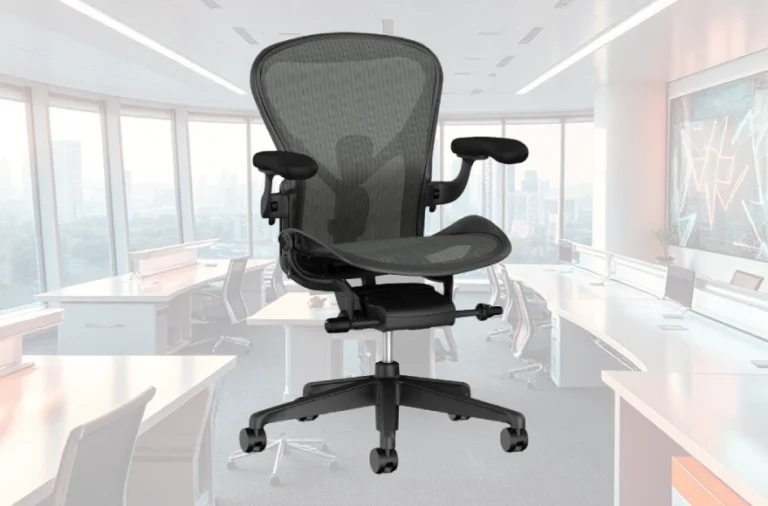
Testing by Tom’s Guide and TechRadar confirmed this feature delivers real benefits. One tester spent 159 days using an X-Chair X4 and found the lumbar support “adjusts perfectly” as position changes throughout the workday. Herman Miller’s Aeron, which costs $2,020, uses a static system that doesn’t recalibrate.
The DVL matters because back pain typically stems from fixed supports positioned incorrectly for individual spinal geometry. A 6-foot user might find standard support either too high or too firm. A 5’4″ user often faces the opposite problem. X-Chair’s responsive system eliminates this mismatch.
This advantage has limitations. Some users report that the lumbar support feels too firm initially. One Reddit user described difficulty finding comfort, suggesting the DVL varies by body type. Users with sensitive lower backs or existing spinal issues face a steep adjustment period. The learning curve extends 2–4 weeks before full benefit emerges.
X-Chair Model Lineup: Four Distinct Price Tiers
X-Chair offers four primary office chair models targeting different budgets and priorities. Entry-level costs $709; the fully configured luxury model reaches $2,052.
The X-Chair X Task (Entry Point)

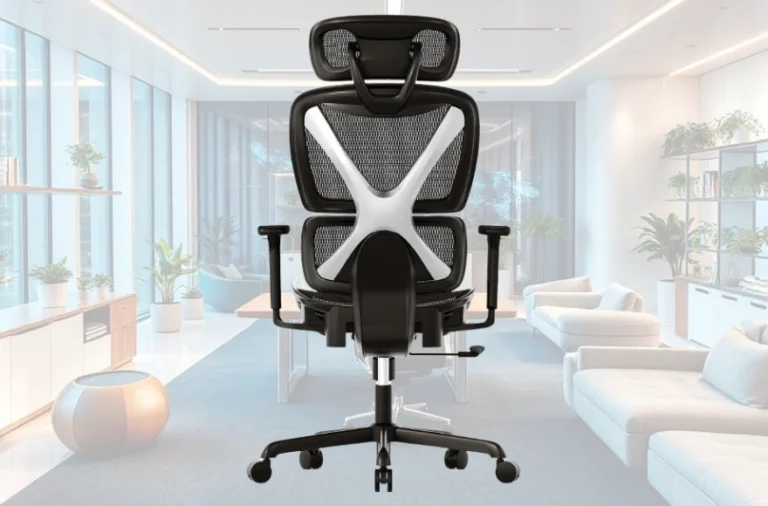
The X Task costs around $700 and incorporates core DVL technology. The chair includes a flex mesh backrest, M-foam seat cushion, 4-dimensional armrests, adjustable headrest, and Dynamic Variable Lumbar support.
Seat width measures 19.5 inches with adjustable depth from 22.5 to 25 inches. Weight capacity is 275 pounds. The metal frame carries a 15-year warranty; mesh and foam receive 5-year coverage. Assembly requires 30 minutes for typical users.
The X Task suits office managers furnishing multiple workstations and budget-conscious remote workers. Its feature density delivers strong value compared to chairs costing twice as much.
The X-Chair X2 K-Sport Management ($799–$899)

The X2 targets professionals seeking value between budget chairs and luxury brands. Base pricing starts at $799 for the mesh variant. Adding the optional X-HMT heating, cooling, and massage system costs $100 extra.
The X2 uses X-Chair’s K-Sport mesh, which improves breathability compared to standard fabrics. The Dynamic Variable Lumbar system functions identically to the X Task but with additional customization options.
Testing by Tom’s Guide found immediate value in the heating and massage feature. The lumbar pad delivers gentle vibration while providing heat and cooling simultaneously. For professionals spending 8+ hours at the desk, this $100 upgrade reduces neck and shoulder tension noticeably.
The X2’s adjustability encompasses seat height, seat depth, armrest height/depth/width/angle, and headrest height/angle. This range of options means approximately 80% of body types achieve a personalized fit.
One usability issue: X-Chair’s adjustment toggles require significant force to operate. Users with arthritis or reduced hand strength find these mechanisms difficult.
The X2 K-Sport appeals to professionals willing to spend substantially more than budget chairs but unwilling to exceed $1,000. The optional heating/massage feature provides wellness benefits that Herman Miller chairs don’t offer at comparable prices.
The X-Chair X3 ATR ($895–$1,350)

The X3 pivots toward luxury positioning at a reasonable cost. Base configuration with mesh and standard foam costs approximately $895. Upgrading to memory foam, specialized fabrics, or headrest add-ons reaches $1,350.
The X3’s primary upgrade is seating comfort. X-Chair replaces standard foam with denser memory foam that maintains shape after years of use. The seat features a waterfall edge design—a recessed front edge preventing thigh pressure buildup during extended sitting.
The mesh backrest uses X-Chair’s ATR (Adaptive Thermal Responsive) fabric, offering stain resistance and durability compared to standard mesh. Workers prone to spills benefit from this upgrade.
Testing confirmed comfort improvement. One reviewer worked beyond standard 8-hour days and found the foam remained supportive without hardness. The recline mechanism operates smoothly with infinite locking positions up to 40 degrees.
The X3 addresses a real problem: mid-range office chairs cut corners on seat cushioning to hit price targets. By investing in memory foam, X-Chair delivered genuine comfort improvement.
The X3 suits established remote workers, senior professionals, or anyone with diagnosed lower-back issues. Its price-to-comfort ratio compares favorably to Steelcase equivalents.
The X-Chair X4 and X-Tech Executive (Luxury Positioning)

X-Chair’s flagship models—the X4 Leather Executive ($1,428–$2,052) and the X-Tech Ultimate Executive ($2,000+)—compete with Herman Miller Embody and Steelcase Gesture.
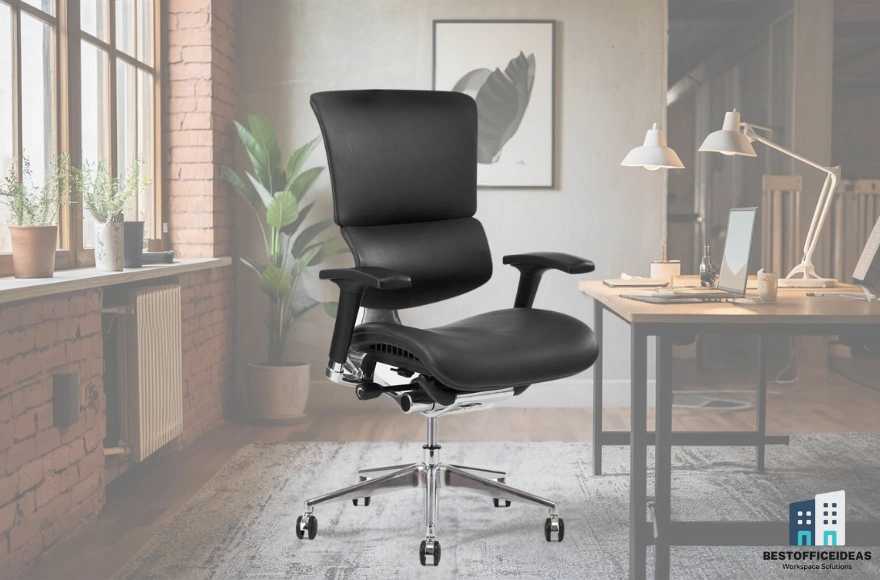
The X4 emphasizes material quality. Premium cognac, black, or gray leather replaces mesh fabrics. Stitching detail, frame finishing, and component assembly reflect investment in design matching executive suites. TechRadar tested an X4 for 159 days and confirmed it maintained pristine condition despite daily heavy use.
The X4 includes optional heat, massage, and cooling functionality costing $120–$200. Testing confirmed the heating element works noticeably—providing therapeutic warmth during prolonged sitting. Cooling prevents lower-back moisture accumulation. Massage vibration delivered meaningful muscle relief.
The X-Tech Executive adds an ELEMAX massager providing more aggressive vibration patterns plus cooling and heating. This flagship addresses physical wellness comprehensively. Lumbar support adapts to position, heating reduces muscle tension, cooling prevents perspiration, and massage stimulates circulation.
Both luxury models incorporate headrest adjustments (height and angle) and 4D armrest customization. Seat dimensions accommodate most body types within the 275-pound weight limit.
The limitation is obvious: these chairs cost more than many entry-level cars. A fully configured X4 costs $2,052. This price demands demonstrable ROI—measurable health improvements or longevity exceeding 10 years.
Testing data supports the longevity claim. X-Chair backs all chairs with a 5-year parts warranty and a 15-year warranty on the metal frame. A chair lasting 15 years costs less per year than budget alternatives replaced every 5 years.
The luxury models appeal to C-suite executives, high-income professionals working from home permanently, or organizations with employee wellness budgets. They’re justified not purely for ergonomics but for materials and integrated wellness features.
Build Quality and Design: Premium Positioning Reflected in Materials
X-Chair differentiates through material choices and assembly standards. The brand sources aluminum frames instead of cheaper steel that rusts or flexes. Seat bases span 22 inches wide across all models, providing stability for diverse body types.
Mesh options progress by tier:
- X Task: Basic mesh
- X2: K-Sport thermoregulated mesh
- X3: ATR fabric with stain resistance
- X4: Premium leather with visible stitching
Chrome and steel accents on lower-tier models convey contemporary design without excess ornamentation. Armrests use polycarbonate across all models, providing durability despite lacking a premium appearance.
Assembly timing creates a competitive advantage. Most X-Chair models ship pre-assembled or require 30–60 minutes of assembly. Herman Miller and Steelcase require professional installation.
The design language feels intentionally contemporary—neither gaming-oriented nor sterile corporate. This positioning works for home offices, creative agencies, and tech companies.
Comfort and Adjustability: How Features Translate to Real-World Use
Comfort separates immediate sensation from long-term musculoskeletal benefit. X-Chair excels in adjustability breadth.
The Dynamic Variable Lumbar system delivers a legitimate advantage for users with lower-back strain. Testers consistently reported that after 1–2 weeks, the adaptive support felt noticeably more comfortable than fixed systems. The responsiveness means posture changes don’t require manual re-adjustment.
The DVL system’s aggressiveness varies by individual body type. Some users report the support feels too firm initially. The adjustment learning curve extends 2–4 weeks rather than immediate deployment.
The 4D armrests provide practical value. Most office workers maintain an arm position for extended periods, creating repetitive strain injuries in the shoulders and wrists. X-Chair’s multi-directional adjustment allows approximately 80% of users to achieve ergonomic arm support.
Armrest adjustments require noticeable force, however. If you adjust armrests multiple times daily, this friction accumulates into a usability complaint. Hand strength limitations would exacerbate this issue.
Recline functionality operates smoothly across all models. The infinite-position locking mechanism allows 0–40 degree recline without the springy feeling of budget gaming chairs. Recline tension adjustment accommodates different body weights.
Seat depth adjustment (X3 and higher) matters significantly. Standard office chairs force fixed seat depth configurations. Petite users face forward perching without adequate thigh support. Taller users lose support when depth is insufficient. X-Chair addresses this with 2–3 inches of adjustable depth.
The headrest adjustment (standard on X2 and higher) supports cervical spine alignment. Most office workers maintain a forward head posture due to monitor positioning, creating neck strain. X-Chair’s independently adjustable headrest (height and angle) allows diagonal positioning, supporting the cervical spine.
One limitation: X-Chair lacks active support systems found in Herman Miller Embody or Steelcase Gesture. The Embody features mechanized backrest support for spinal curves. Steelcase Gesture’s LiveBack flexes the backrest as you move. X-Chair’s support remains responsive but passive—the chair responds to you rather than anticipating movement.
For most users, this distinction carries minimal impact. The DVL lumbar responsiveness and adjustability breadth deliver comparable real-world comfort. The distinction matters only for users with complex spinal conditions requiring advanced medical support.
Pricing Architecture: Understanding the Cost Curve
X-Chair emphasizes base pricing transparency while offering elaborate customization that substantially increases final cost.
Pricing by model:
- X Task: $709 base (no upgrades available)
- X2 K-Sport: $799 base; $899 with X-HMT heating/massage
- X3: $895 base; up to $1,350 with memory foam and fabric upgrades
- X4 Leather Executive: $1,428 base; up to $2,052 fully configured
The X4 example reveals pricing complexity. A base configuration costs $1,428. The tested unit reached $2,052 through standard upgrades: cognac leather variant ($200), X-HMT system ($200), headrest ($150), and foam/cushion upgrades. Without choosing premium options, an X4 costs approximately $1,500.
This mirrors luxury furniture generally. The base price appears reasonable; the final cost climbs through incremental choices.
Competitive comparison:
| Chair | Price | Key Feature |
|---|---|---|
| Branch Verve | Check Price | Adjustable, no dynamic lumbar |
| X-Chair X Task | Check Price | Dynamic lumbar entry point |
| Autonomous ErgoChair Pro | Check Price | Budget adjustable option |
| X-Chair X2 K-Sport | Check Price | Dynamic lumbar + optional heating |
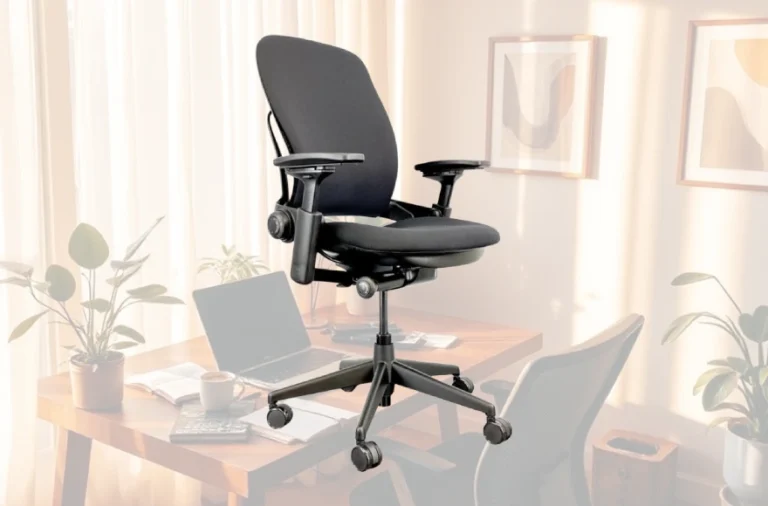
| Steelcase Leap V2 | Check Price | Active backrest support |
| X-Chair X3 | Check Price | Memory foam + dynamic lumbar |
| Herman Miller Aeron | Check Price | Heritage brand, static lumbar |
| X-Chair X4 Leather | Check Price | Luxury materials + wellness features |
X-Chair occupies the logical middle ground. For users wanting dynamic lumbar support, optional heating/massage features, and extensive adjustability without brand heritage premiums, X-Chair provides strong value.
The optional X-HMT add-ons ($120–$200) require careful analysis. If you use heating and massage rarely, the upgrade adds cost without proportional benefit. If therapeutic lumbar warmth and vibration reduce end-of-day back tension, the $100–$200 investment delivers wellness value.
Warranty, Customer Service, and Return Policy: Understanding the Real-World Safety Net
X-Chair offers a 30-day trial period, allowing full refund minus return shipping costs. This matches or exceeds most premium office furniture policies.
Warranty structure by component:
- Office chairs: 5-year parts warranty; 15-year warranty on metal frame
- X-HMT massage units: 3-year warranty on electronics
- Accessories: 10-year warranty
The 15-year frame warranty provides genuine protection. If your frame fails in year 10, X-Chair replaces it free. This longevity incentive explains premium pricing partially; buyers receive extended asset life.
Warranty claims require reporting within 30 days of receipt for damage or missing items. Problems discovered after 30 days enter bureaucratic processes requiring photographic documentation. This structure protects against shipping damage, but it disadvantages users who discover defects after month two.
Customer service satisfaction presents a complicated picture. Professional reviewers experienced responsive support and rapid part replacement. However, X-Chair’s Trustpilot rating stands at 1.8/5 stars. Complaints center on difficult adjustment mechanisms, aggressive lumbar support, and return process friction.
This disparity reflects expectations misalignment rather than product deficiency. Customers expecting immediate comfort discover it arrives only after acclimation. Users with limited patience for chair adjustment learning curves encounter frustration.
The 30-day trial becomes problematic for users needing time to acclimate. By the time comfort emerges, the trial window closes.
The return process adds friction. Assembled chairs require disassembly instructions and return kits. Unassembled chairs incur return shipping fees. While not unusual, this structure increases friction compared to consumer electronics with prepaid labels.
For informed buyers understanding acclimation needs, the warranty coverage provides solid protection. For hesitant buyers hoping the 30-day period provides risk-free testing, the customer service gap warrants caution.
Who Should Buy X-Chair: The Audience Segmentation
X-Chair’s positioning targets specific user profiles where investment delivers disproportionate value.
Best For: Premium Office Workers with Diagnosed Lower-Back Issues
If a physical therapist or orthopedist identified lower-back strain as your primary challenge, X-Chair’s dynamic lumbar support addresses this directly. The adaptive mechanism eliminates manual lumbar configuration—the chair learns your body. For users spending 40+ hours weekly at a desk with existing pain, the $800–$1,500 investment translates to measurable quality-of-life improvement. Testing demonstrated that users with lumbar sensitivity reported dramatic relief within 2–3 weeks.
Best For: Executives and Senior Professionals
The X4 leather and X-Tech models deliver aesthetic cohesion in high-end office environments. Premium materials justify conversations with clients and stakeholders. Integrated wellness features (heating, massage, cooling) distinguish your office from typical corporate settings. The 15-year frame warranty means replacement becomes unnecessary after a decade-long use.
Best For: Remote Workers with Permanent Home Office Setup
Home office workers benefit disproportionately from premium seating. They lack the facility upgrades or ergonomic support that office workers receive. If your primary furniture investment involves the desk chair where you spend 8+ hours daily, X-Chair’s adjustability justifies premium pricing. The contemporary design philosophy means the chair won’t feel dated after 5+ years.
Best For: Occupational Professionals Needing Multi-User Configuration
Office managers furnishing entire departments benefit from X-Chair’s adjustability breadth. Rather than purchasing multiple chair models for different body types, X-Chair’s adjustment options accommodate 80%+ of employees. This standardization reduces SKU complexity and simplifies parts inventory.
Not Ideal For: Budget-Conscious Buyers
If your primary goal involves finding comfortable seating below $500, the Branch Verve ($649) or Autonomous ErgoChair Pro ($399) delivers better value. These alternatives lack dynamic lumbar support but provide solid adjustability and comfort. The incremental DVL benefit doesn’t justify $300–$400 premium for every buyer.
Not Ideal For: Users with Spinal Hypermobility or Degenerative Disc Conditions
The DVL system’s firmness, designed for standard spinal mechanics, may feel too aggressive for users with disc herniations, severe stenosis, or hypermobility conditions. These users might require therapeutic support from medical-grade chairs beyond X-Chair’s scope. Consulting an orthopedist before purchasing becomes essential.
Not Ideal For: First-Time Premium Chair Buyers without Acclimation Expectations
X-Chair’s feature complexity requires 2–4 week acclimation. Buyers expecting immediate comfort upon delivery frequently return chairs before experiencing the benefit. If you lack patience for adjustment fine-tuning, budget alternatives with simpler mechanics prove less frustrating.
Final Verdict: Investment Justification and Decision Framework
X-Chair occupies a legitimate middle ground between budget office chairs ($300–$500) and aspirational luxury brands costing $1,500–$2,000. The brand’s differentiator—Dynamic Variable Lumbar technology—addresses a genuine problem that fixed-support alternatives leave unsolved.
X-Chair delivers measurable value if you:
- Spend 40+ hours weekly working at a desk
- Experience lower-back strain beyond normal fatigue
- Require extensive adjustability for your body geometry
- Value feature density and customization options
- Commit to 2–4 week acclimation periods
- Plan to retain furniture for 10+ years
- Have $800–$1,500 budget availability
X-Chair represents inefficient spending if you:
- Seek immediate plug-and-play comfort without an adjustment period
- Prioritize budget optimization over feature density
- Experience spinal conditions requiring therapeutic intervention
- Plan furniture replacement within 5 years
- Lack patience for adjusting learning curves
- Have arthritis or hand-strength limitations affecting adjustment friction
The X2 K-Sport ($799–$899) offers optimal price-to-performance. It combines dynamic lumbar support with optional wellness features at a reasonable cost. The X3 ($895–$1,350) justifies incremental investment only if memory foam seat comfort substantially improves your experience. The luxury X4 and X-Tech models anchor value on durability, materials, and integrated wellness rather than ergonomic superiority.
Compared to Herman Miller Aeron ($2,020), X-Chair offers superior dynamic lumbar response at a lower cost. You lose only design heritage and brand prestige. Compared to Steelcase Leap, X-Chair provides comparable adjustability with superior responsive lumbar support. Steelcase’s LiveBack technology offers active support that X-Chair’s passive system doesn’t replicate.
Testing data and customer feedback indicate X-Chair delivers genuine ergonomic benefits for informed buyers. The mixed Trustpilot score reflects buyer expectations misalignment rather than product deficiency. Customers expecting immediate comfort discover it arrives only after acclimation.
If your lower back has motivated searches for “best ergonomic office chair,” X-Chair warrants serious consideration alongside Herman Miller and Steelcase. The dynamic lumbar technology addresses lower-back support comprehensively. The adjustability breadth accommodates diverse body types. The warranty structure provides genuine long-term protection.
The investment justifies itself through improved daily comfort, reduced end-of-day back tension, and furniture longevity exceeding typical office chair lifecycles. For professionals spending significant portions of their lives in office chairs, the premium positioning aligns with actual value delivered.
Price Disclosure: Product prices mentioned in this review are accurate as of [December 30, 2025] and may change over time due to retailer promotions, availability, or market fluctuations. Always verify the latest price on the merchant’s site before purchasing. We may earn a commission from qualifying purchases at no extra cost to you.