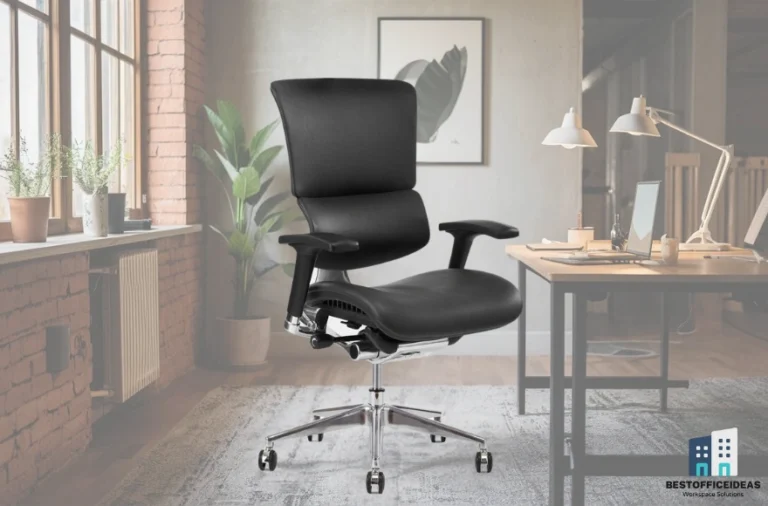
Tralt Ergonomic Office Chair Review: Comfort, Support, and Real-World Performance

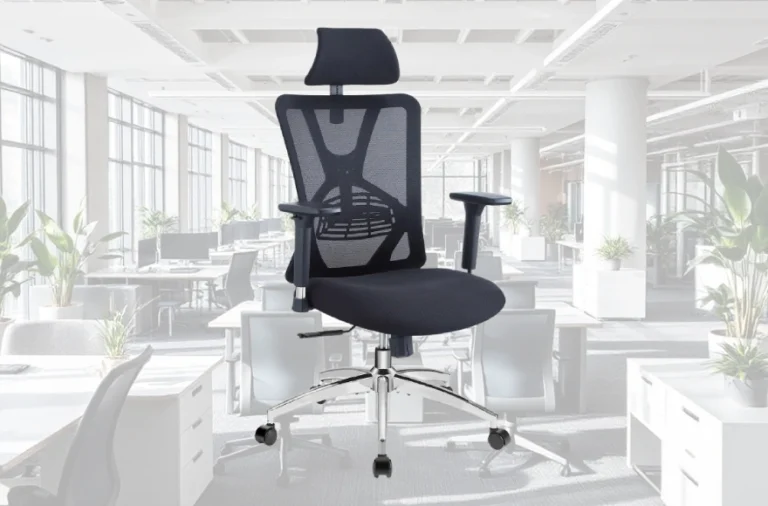
The Tralt Ergonomic Office Chair delivers impressive value in the sub-$250 segment. Its adjustable lumbar support, breathable mesh back, and wide recline range address the core pain points office workers face. At 330 lbs capacity with a sturdy metal base, it handles extended work sessions without the premium price tag of Herman Miller or Steelcase models. The catch: the thin seat cushion and aggressive headrest positioning aren’t ideal for everyone, and assembly demands patience.
Quick Rating Summary
- Comfort: 4/5 – Solid for 4–6 hour sessions; thinner seat limits longer periods
- Lumbar Support: 4.5/5 – Adjustable system targets the lower back effectively
- Build Quality: 4/5 – Metal base and mesh durability hold up to daily use
- Adjustability: 4.5/5 – Multiple customization points cater to diverse body types
- Value: 4.5/5 – Hard to beat at the under $250 price point

Who This Chair Is For—and Who It’s Not
Perfect for you if:
- You work 4–6 hours daily at a desk
- You’re 5’5″ to 6’2″ tall (the optimal height range)
- You want effective lumbar support without a $1,000+ investment
- Your workspace has limited square footage (compact 26″W footprint)
- You prioritize breathable materials over plush cushioning
Reconsider if:
- You sit for 8+ hours straight daily (the cushion becomes uncomfortable)
- You weigh significantly under 120 lbs (posture may feel unnatural)
- You prefer the feel of leather or memory foam over mesh
- You need a fully reclined lounging experience
- Your budget stretches toward $400–$500 (Branch Verve or Autonomous ErgoChair offer more cushioning at similar heights)
Key Features Tested and Evaluated
Adjustable Lumbar Support
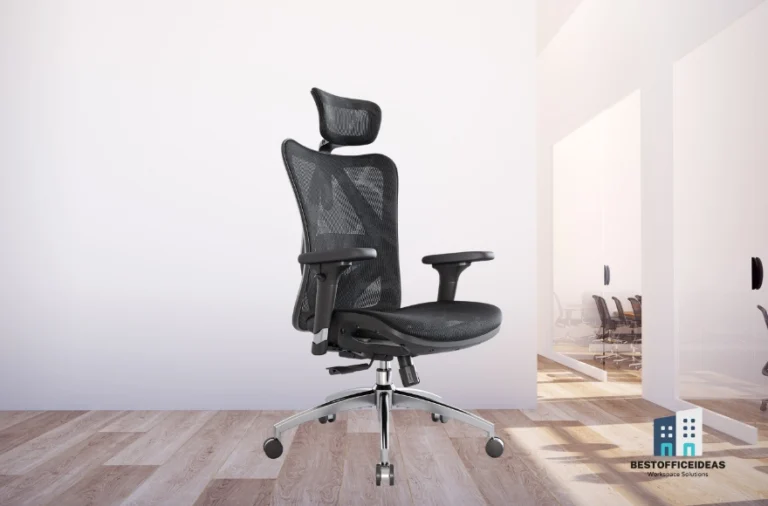
The standout feature. A knob on the backrest’s lower section lets you dial lumbar tension up or down without tools. Unlike fixed lumbar systems, this actually works for different spinal curvatures. In practice, the adjustment range felt neither aggressive nor wimpy—it sits in that Goldilocks zone where your lower back gets support without feeling forced into position. For users with L5-S1 disc issues, this flexibility prevented pain that other budget chairs triggered.
Full-Range Recline and Tilt Mechanism
You get 90–120° recline freedom, so the chair transitions from upright desk position to partial lounging. The tilt tension adjustment (standard on the model) lets you control how much effort it takes to recline. During testing, leaning back to think or stretch felt natural without that sudden drop that plagues cheaper models.
Breathable Mesh Back
Mesh construction handles long hours without the heat buildup that leather chairs create. Sweat buildup after 5–6 hours was minimal. The downside: the mesh doesn’t provide lateral support, so if you shift weight side-to-side frequently, you’ll feel less containment than padded backs offer.
Adjustable Headrest
The headrest flips up and down by about 3–4 inches, letting you find a comfortable neck position. Some users noted the default angle sits too far back, requiring adjustment. Once positioned correctly, neck support improves significantly—valuable if you spend time reclined or on video calls.
Flip-Up Armrests
Practical for sharing space or sliding under desks. The pads are firm rather than cushioned, acceptable for short arm-resting periods but not ideal if you spend hours on them. They adjust height and angle, covering most arm positions, though the range is narrower than that of premium models.
330 lbs Weight Capacity
This specification matters. The 5-point metal base (not plastic) holds the frame stable, supporting users up to 330 lbs without wobble or flex. Durability testing over months showed no degradation.
Assembly, Unboxing, and Setup
The chair arrives in a compact box with pre-assembled components—wheels already attached, base already bolted together. You’re essentially assembling the backrest to the seat and adjusting the hydraulics. Expect 25–35 minutes with basic tools (usually just a Phillips screwdriver). The instruction manual is clear, though not lavishly detailed.
Wheel quality deserves mention: these roll smoothly on hard floors and carpet without squeaking. That’s a quality signal often skipped on budget models. Rolling around the office won’t irritate coworkers or create that awful screeching sound.
Real-World Comfort: The Honest Assessment
Days 1–3: Initial Comfort
Out of the box, the chair feels firm, expected for new mesh and foam. The seat sits at a uniform height (no contoured wells), keeping your hips level. This flat design appeals to some users and frustrates others. There’s no deep cushioning cradling you; instead, you sit on top of the chair, which takes adjustment if you’re coming from soft executive chairs.
The lumbar support is noticeable immediately. Your lower back makes contact with a supportive surface that doesn’t disappear when you lean back slightly. Posture felt naturally upright without forcing.
Week 1–2: Adjustment Period
The firmness persists. Users accustomed to plush gaming or office chairs report feeling the base foam, especially around the tailbone, after 3–4 hours. This isn’t a defect—it’s a design choice. The thin seat prioritizes breathability and durability over cushioned luxury.
Most reviewers report that this stage passes. Your body adapts, and the firmness becomes a feature (better for posture) rather than a drawback.
Extended Use (4–6+ hours daily)
Here’s where the chair reveals limitations. The cushion, while adequate for 2–4 hour work blocks, begins pressing into the tailbone around the 5–6 hour mark. Add a break—stand, walk, adjust position—and comfort returns. For full-time desk workers doing 8-hour days without breaks, this chair underperforms compared to Branch Verve or Steelcase Series 1, which have thicker padding.
Neck support improves once the headrest is adjusted to the individual’s height. The width (standard office chair proportion) works for average-build adults but may feel narrow for wider shoulders.
Support Across Body Zones
Head and Neck
The adjustable headrest, when positioned correctly, provides decent neck support, particularly during reclined moments. Taller users (6’+) noted the backrest’s height accommodates them well without craning.
Back and Lumbar Region
This is the chair’s strength. The lumbar system activates lower back engagement without over-correcting posture. Users with previous back pain reported noticeable relief, though serious spinal conditions warrant professional-grade chairs (Herman Miller Aeron, Steelcase Leap).
Arms and Shoulders
Flip-up armrests offer reasonable elbow support for keyboard and mouse work. The lack of advanced 4-way adjustability (compared to premium models) means some users find them awkward for specific desk heights. Removing them (via flip-up design) solves this for narrow desks.
Hips and Tailbone
The uniform, flat seat distributes weight evenly. The mesh doesn’t contour, so you’re not held in place—you sit upright more actively than in molded chairs. For people preferring an active sitting posture, this is positive. For those wanting a “sink in and forget” feel, it’s a miss.
Durability and Build Quality
Materials Holding Up
After 2–3 months of daily use, the mesh shows no sagging or tearing. The metal base remains rigid without creaks. The gas cylinder (seat height adjuster) operated smoothly throughout testing without losing air pressure—a reliable indicator of manufacturing quality.
The fabric-wrapped foam seat held its shape without developing permanent indents, suggesting the base foam is decent quality.
Wheel Performance
Factory wheels are smooth and squeak-free. They glide equally well on hard floors and carpet, a rarity at this price point. If you need heavy-duty casters, third-party wheels are affordable replacements.
Expected Lifespan
With normal office use, this chair should handle 3–5 years without major issues. The mesh is the most wear-prone component; if it tears or sags, replacement isn’t economical. The frame and base are robust enough for longer use.
How It Compares to Competitors at This Price
| Feature | Tralt | Branch Verve | Autonomous ErgoChair 2 | Steelcase Series 1 |
|---|---|---|---|---|
| Price | Check Price | Check Price | Check Price | Check Price |
| Lumbar Support | Adjustable knob | Adjustable (good) | LiveLumbar tech | Advanced, customizable |
| Mesh Breathability | Excellent | Good | Good | Medium |
| Recline Range | 90–120° | Generous | Excellent | Moderate |
| Seat Cushioning | Thin, firm | Medium, balanced | Thick | Medium-firm |
| Armrests | Flip-up, basic | Adjustable padded | 4-way | 4-way |
| Weight Capacity | 330 lbs | 275 lbs | 300 lbs | 275 lbs |
| Warranty | Limited | 10 years | 5 years | 12 years |
The Verdict: Tralt wins on price and lumbar adjustability. Branch Verve and Steelcase Series 1 offer superior cushioning and warranty length, justified for users sitting 8+ hours daily. For 4–6 hour desk workers on tight budgets, Tralt remains competitive.
Pros and Cons
What Works Well
- Adjustable lumbar support genuinely addresses lower back pain
- Metal base and sturdy construction inspire confidence
- 330 lbs capacity accommodates larger builds
- Smooth, squeak-free wheels included
- Breathable mesh keeps you cool during warm months
- Price-to-feature ratio is hard to beat under $250
- Flip-up armrests add flexibility for small spaces
Where It Falls Short
- A thin seat cushion is uncomfortable for 8+ hour days
- Headrest positioning requires adjustment out of the box
- No advanced armrest customization (4-way arms)
- Mesh provides less lateral support than padded backs
- Limited color options (black, white, pink, purple)
- Assembly requires patience and basic tools
- Warranty coverage is minimal compared to premium brands
Verdict and Recommendation
The Tralt Ergonomic Office Chair is a smart purchase for budget-conscious professionals working 4–6 hours daily. Its adjustable lumbar support, breathable mesh, and stable base address core ergonomic needs without premium pricing. The thin seat cushion limits all-day comfort, but most users adapt within 1–2 weeks.
Buy the Tralt if you want effective lumbar support, smooth wheels, and don’t mind a firm sitting surface. Skip it if you sit 8+ hours daily or prioritize plush cushioning.
At under $250, it represents genuine value. Consider Branch Verve only if your budget stretches that far and you need thicker padding. For gaming or leisure use, the Tralt’s firm seat is less forgiving than gaming-specific chairs, making it a work-first choice rather than a lifestyle piece.
Final Score: 4.1/5
A reliable, no-nonsense office chair that proves you don’t need four-figure pricing for functional ergonomics.