Ticova Ergonomic Office Chair Review of 2026: Budget Comfort Without the Premium Price Tag

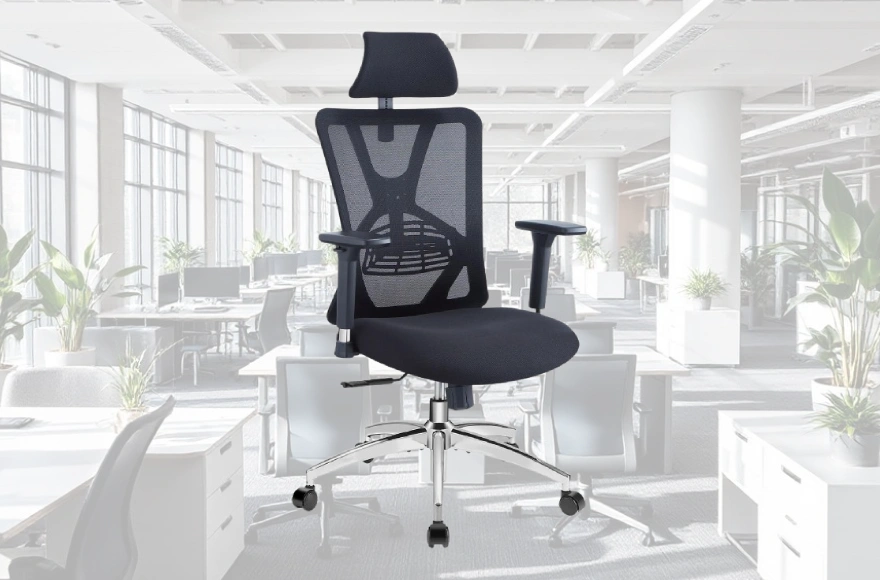
Sitting eight hours daily in poor seating creates back pain, neck strain, and productivity loss. Premium ergonomic chairs cost $1,500–$2,000, far beyond typical budgets. The Ticova Ergonomic Office Chair costs $110–$170 and delivers adjustability found in chairs costing three times more.
This review examines whether Ticova’s engineering holds up under real conditions, compares it against direct competitors, and identifies who benefits most from this budget option.


Design and Build Quality: Metal Construction Over Plastic
The armrests reveal Ticova’s quality approach. Budget chairs use single-dimension plastic armrests that adjust only vertically. Ticova uses stainless steel armrests with three-way adjustment: height, angle, and forward-backward movement. You can position them for typing, then move them outward for shoulder relief during calls.
The frame uses PA nylon construction with an SGS-certified base. The base withstood 1,136 kg static pressure tests. This indicates the frame will resist the wobbling that affects cheaper chairs after six months.
Seat height ranges from 44 cm to 54 cm with smooth gas-lift adjustment. The mechanism uses thick steel components, preventing the gradual height loss common in budget alternatives. One six-month user reported zero height drift.
Assembly takes 30–45 minutes with included tools. Instructions use both diagrams and written steps, accommodating different learning preferences. Most users complete the setup without complications.
Footprint dimensions: 52 cm seat width fits standard office desks. The proportions work with 27.5-inch desk depths without crowding your legs or feeling cramped.

Lumbar Support: Two-Way Adjustability Sets It Apart
Most budget chairs offer fixed lumbar support or adjustment in one direction only. Ticova provides two-way adjustment: move the support up and down your spine (height) and control how far it protrudes (depth).
Why this matters: lumbar requirements vary significantly based on body shape. A sharper lower-back curve needs deeper support. A gentler curve needs shallower compression. Fixed lumbar support often worsens discomfort rather than solving it.
The S-shaped backrest follows your spine’s natural curve. The high-elastic foam provides consistent pressure across the lumbar region. Properly adjusted lumbar support reduces fatigue noticeably by hour four of continuous desk work.
One limitation emerged: users over 6 feet tall report that lumbar support sits lower than ideal at maximum height. Someone 5’8″–6’2″ experiences optimal placement. Those approaching 6’4″ may need supplemental lumbar support or careful positioning.
The adjustments remain responsive through extended use. Reviewers at six months reported no loosening or deterioration of the adjustment mechanism.
Headrest: Prevent Forward Head Posture
Forward head posture—where your chin drifts ahead of your spine—creates cumulative neck and shoulder strain. Long-term, this increases disc pressure and triggers chronic tension headaches. A quality headrest stops this pattern by supporting your head during recline, maintaining cervical alignment.
Ticova’s headrest differs from the small, rigid pieces on budget competitors. It features a large curved foam design, adjustable in height and angle. The larger surface distributes pressure instead of creating pressure points.
Users report the headrest works well for transition moments: phone calls, breaks between focused work, and brief reclines. It doesn’t force you into reclined positions—it simply supports them when you choose them.
The headrest removes entirely if you prefer open sightlines. Remote workers and traders managing multiple monitors often remove it to maximize visibility.
Seat Comfort: High-Density Foam With Practical Edge Design
The seat uses 3–3.5 inches of high-density foam with a W-shaped waterfall edge. This distributes your weight across a larger area, reducing pressure points on hips and thighs. The waterfall edge prevents the “dead leg” numbness that occurs after extended sitting.
Initial comfort exceeds expectations for the price. The foam is firm enough to prevent bottoming out immediately, soft enough to feel welcoming rather than punishing.
One user pattern emerged: seat padding compresses noticeably after 15–30 minutes for heavier users. The padding becomes firmer as you sit longer. This isn’t catastrophic—the chair remains functional and comfortable—but cushioning height decreases during an eight-hour day.
For users under 200 pounds, compression remains minimal and rarely impacts satisfaction. For users approaching 250 pounds, supplemental seat padding ($30–$50 on Amazon) addresses this effectively.
The waterfall edge prevents thigh compression. Standard flat seat edges compress thigh blood flow during long sitting, reducing circulation. Ticova’s curved edge allows blood to flow freely underneath, eliminating the tingling sensation some experience.
Breathable Mesh Back: Temperature Control
Budget plastic-backed chairs trap body heat. Ticova uses breathable mesh with high tensile strength—it won’t tear under normal pressure.
The mesh design allows air circulation behind your back, preventing the “hot pocket” where your spine contacts the chair. One reviewer in a warm climate reported zero sweat marks after six months. This becomes valuable during the summer months or in offices with limited air conditioning.
The mesh resists pilling, tearing, and the disintegrating look that cheap mesh develops. Six-month users reported no visible degradation. This suggests the mesh will outlast more commonly failing parts in budget chairs (gas cylinders, armrest padding).
Adjustability Deep Dive: Customizing Your Position
Ticova distinguishes itself through comprehensive adjustment options. Five specific mechanisms deserve attention:
Recline Mechanism: The chair tilts up to 130 degrees with synchro-tilt function. The seat and backrest move together proportionally, maintaining proper hip-spine angles throughout recline. Cheaper “free-tilt” chairs collapse awkwardly; synchro-tilt creates smooth motion with consistent support.
Tilt Tension Control: A knob on the right side adjusts recline resistance. This prevents unexpected backwards-falling when you shift weight. You can dial in firm locking for focused work or light resistance for frequent adjustments.
Seat Height Precision: The pneumatic cylinder provides 10 cm of height range with smooth transitions. No jumping or jerky movements—a sign of quality gas-lift implementation.
Headrest Flexibility: Height and angle adjustment accommodate different neck positions. The headrest is removed entirely for users prioritizing visibility over neck support.
Control Placement: All controls locate on the right side below the seat. You can find adjustment levers through feel without looking. Minimal hand strength operates all mechanisms.
Real-World Performance: What Happens After Two Months
YouTube reviewers testing the chair for six-plus months provide reliable feedback. The consensus: this chair outperforms expectations for its price point.
Comfort Trajectory: Discomfort typically spikes during week two as your body adjusts to proper spinal support. Muscles unused to correct posture fatigue slightly. By week three, this reverses as postural muscles strengthen. By month two, most users notice inferior support when sitting in previous chairs.
Durability Progression: Budget office chairs typically fail around four months with squeaking gas cylinders or wobbly armrests. Ticova users through six months report no squeaking and solid armrest feel.
Specific Observations:
- Mesh maintains texture without pilling
- No seat-height drift through extended testing
- Armrest padding shows minimal wear despite daily use
- Lumbar adjustment remains responsive (doesn’t loosen over time)
- Headrest foam doesn’t flatten prematurely
One negative pattern: some users reported slight squeaking from armrest padding when pressed laterally around month three. This occurs rarely and doesn’t escalate, but it appeared frequently enough to mention.
Ticova Compared to Direct Competitors
Ticova ($110–$170) vs. Clatina Mellet ($240)
The Mellet costs twice as much yet uses 1D plastic armrests instead of Ticova’s 3D metal. Seat padding feels similarly firm. The Mellet’s advantage: slightly wider seat for heavier users. For standard-build individuals, Ticova’s adjustability and metal armrests justify the savings.
Ticova vs. SIHOO M102C ($100–$140)
The SIHOO targets a similar budget but uses fixed lumbar support and basic mesh. Side-by-side comparisons show Ticova’s depth-adjustable lumbar as a significant comfort advantage. Users switching from SIHOO to Ticova consistently report better lower-back support.
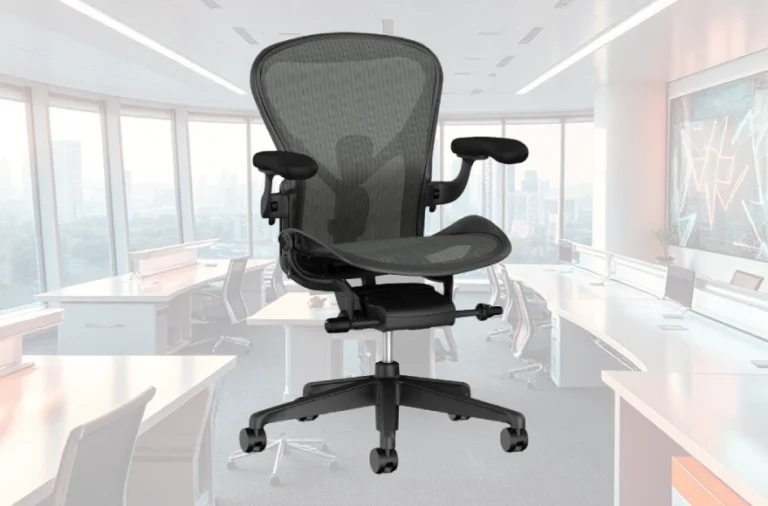
Ticova vs. Herman Miller Aeron ($1,930+)
This comparison highlights value differences. The Aeron uses premium Pellicle mesh and offers three sizes for different body dimensions. Ticova addresses a narrower user range with lower adjustability precision. Reviewers frequently note that for focused desk work, Ticova delivers 80% of Aeron’s comfort at 6% of the cost. The Aeron excels at dynamic movement and varied postures; Ticova suits static desk workers better.
Ticova vs. Branch Ergonomic ($330)
Branch invests in higher-quality seat padding and more intuitive lumbar controls. It costs nearly twice as much. For someone willing to spend more, Branch justifies the investment; Ticova serves those needing maximum value.
Who Benefits Most: Ideal Use Cases
Remote Workers and Programmers
Ticova excels for extended sitting (eight-plus hours). Adjustable lumbar and headrest support address pain points. The recline mechanism helps with afternoon fatigue, and mesh breathability prevents thermal discomfort during summer sessions.
Traders and Financial Analysts
Multiple monitors and frequent side-to-side head movement require flexible armrests and good cervical support. Ticova’s 3D armrests and adjustable headrest address these needs. Several trading-focused users specifically noted the chair’s suitability for multi-monitor setups.
Students and Budget-Conscious Home Office Users
The $110–$170 price point makes this accessible for dorm rooms and temporary home setups. The 30-day money-back guarantee reduces purchase risk. Long-term durability proves sufficient for two to three years of regular use.
Users Weighing 200–280 Pounds
The weight capacity accommodates this range, though seat compression becomes noticeable for users at the upper end. This remains functional but less premium-feeling than for lighter users.
Who Should Look Elsewhere
Users Over 6’2″ With Long Torsos
The lumbar support’s maximum height setting may sit below ideal placement. While adjustable, the mechanical range doesn’t serve extreme heights perfectly. Someone 6’4″ might need supplemental lumbar support or a chair designed for tall users.
Preference for Deep Recline Comfort
If you frequently recline into near-horizontal positions, premium chairs offer better reclined lumbar support. Ticova’s lumbar support decreases somewhat during deep recline—it’s optimized for task-oriented sitting.
Budget Ceiling Under $100
Ticova represents excellent value, but it’s genuinely engineered. Chairs under $100 sacrifice too much durability and adjustability to compete fairly.
Aesthetic Customization Priority
The design is purely functional, black mesh without upholstery variety. If office style matters (matching leather or fabric finishes), Ticova doesn’t offer customization options.
Warranty and Support
30-Day Money-Back Guarantee: Covers buyer’s remorse and manufacturing defects within the first month.
One-Year Manufacturer Warranty: Covers mechanical failures and defects in materials and workmanship.
Customer Support: Ticova responds to service inquiries within 24 hours. One user contacted support about armrest squeaking; support provided a detailed troubleshooting video the same day.
This coverage rivals chairs costing several times more. Assembly instructions use both diagrams and written steps, helping users complete the setup independently.
Final Verdict
The Ticova Ergonomic Office Chair delivers professional-grade adjustability at budget pricing. You’re purchasing height-adjustable lumbar support, depth-adjustable lumbar support, height and angle-adjustable headrest, and 3D metal armrests at triple the expected price point.
Build quality exceeds budget-category expectations. The chair holds up reliably through six months of intense testing. Internal components resist the squeaking and wobbling that plague cheaper alternatives.
The trade-offs are honest: maximum-height lumbar support limits suitability for very tall users, seat padding compresses under extreme weight, and design prioritizes function over aesthetics. These are engineering choices needed to achieve the low price, not defects.
For remote workers and desk-focused professionals: This chair represents the best ergonomic value currently available. Superior adjustability justifies the modest premium over cheaper competitors. It outperforms most expectations by functioning reliably and supporting proper posture without fatigue.
Your back will notice the difference within the first week. That’s worth the $110–$170 investment when your previous option was slouching in an unsupported chair or spending five figures on luxury alternatives.
Recommendation: Yes. This is a task-focused desk chair optimized for sitting position, not a multi-use furniture piece for varied activities. If that describes your work environment, the Ticova becomes an obvious choice.
FAQs
Is the Ticova Ergonomic Office Chair easy to assemble?
Yes, the chair comes with all the necessary tools and clear instructions. While it might take some time, the process is straightforward.
Can the Ticova chair support heavier individuals?
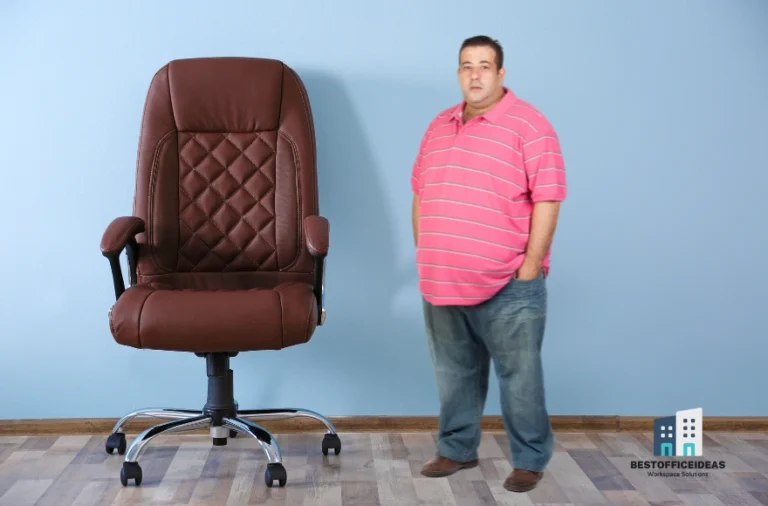
The Ticova chair supports up to 280 lbs. For heavier users, the La-Z-Boy Trafford Big and Tall Executive Office Chair is recommended.
Is the seat cushion too firm?
A few users have mentioned finding the seat a bit firm initially. However, it generally becomes more comfortable over time.
Does the mesh back really keep you cool?
Absolutely! The mesh design allows for better airflow, preventing sweat buildup and keeping your back cool during long work hours.
Price Disclosure: Product prices mentioned in this review are accurate as of [December 30, 2025] and may change over time due to retailer promotions, availability, or market fluctuations. Always verify the latest price on the merchant’s site before purchasing. We may earn a commission from qualifying purchases at no extra cost to you.