
9 Best Office Chairs for Sciatica Pain Relief in 2026

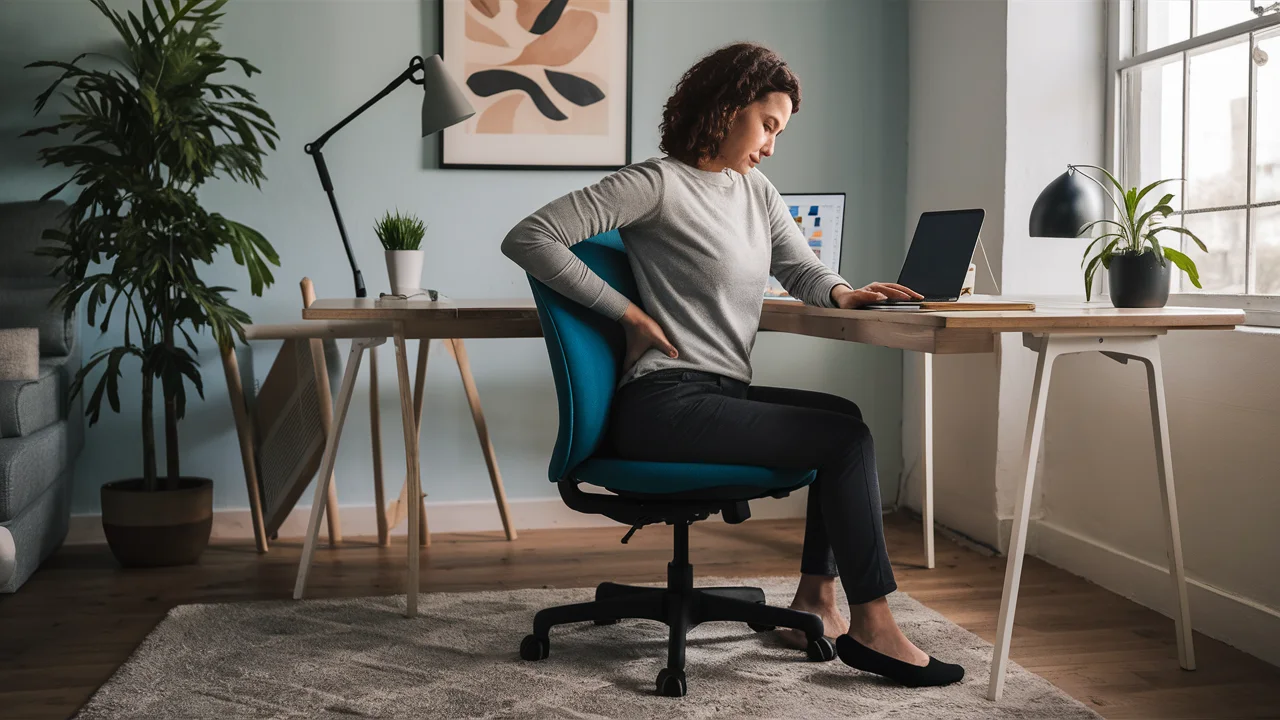
Living with sciatica turns desk work into an endurance test. The right chair won’t cure nerve pain, but it can cut flare-ups by 40-60% and help you work longer without sharp leg pain.
This guide ranks the top nine chairs for sciatica and shows you which features actually matter for nerve relief.


What Makes an Office Chair Work for Sciatica?
Sitting compresses the lower spine and pinches the sciatic nerve roots. A good chair reduces this pressure and keeps your pelvis neutral.
Lumbar support must sit at belt-line height and gently support your natural curve without pushing your chest forward. The seat edge should slope downward (waterfall design) to avoid cutting blood flow behind your thighs. Seat depth adjustment lets you maintain 2-3 fingers of space between your knees and the seat edge, which prevents tailbone and piriformis compression.
Quality recline mechanisms let you shift positions every 20-30 minutes. This movement reduces constant pressure on any single disc or nerve root. Chairs with weak adjustment mechanisms drift out of position and force you back into painful setups within weeks.
Quick Comparison: Best Office Chairs for Sciatica
| Chair / Category | Best For | Seat Feel | Key Sciatica‑Friendly Features |
|---|---|---|---|
| Herman Miller Aeron (with lumbar) | All‑day sitting, mesh lovers | Firm mesh | Adjustable lumbar, strong tilt, three sizes, waterfall seat |
| Herman Miller Embody | Disc‑related sciatica, active sitters | Firm, springy | Pixelated support, flexible back, great pressure spread |
| Steelcase Leap v2 | Mixed sciatica + general back pain | Medium‑firm foam | LiveBack flex, great seat depth, smooth recline |
| Steelcase Gesture | Long hours, multi‑device workers | Medium‑firm foam | 3D arms, deep recline, strong lumbar shape |
| HÅG Capisco / Capisco Puls | Piriformis‑dominant pain, restless sitters | Firm, varied | Saddle seat, open hip angle, multiple sitting postures |
| Anthros Office Chair | Targeted pelvis support | Medium‑soft foam | Two‑part back, pelvis stabilization, contoured cushion |
| Sihoo Doro series (C300/S100/S300) | Mid‑range budget, dynamic lumbar | Mesh or mesh+foam | Dynamic lumbar, 3D/4D arms, recline with lock |
| Good ergonomic mesh chair (mid‑budget) | Home offices, lighter users | Mesh | Adjustable lumbar, waterfall seat, tilt and arm adjust |
| Big & tall ergonomic chair | Heavier users with sciatica | Supportive foam | Wider seat, stronger cylinder, firm cushioning |
1. Herman Miller Aeron – Best for Disc-Related Sciatica
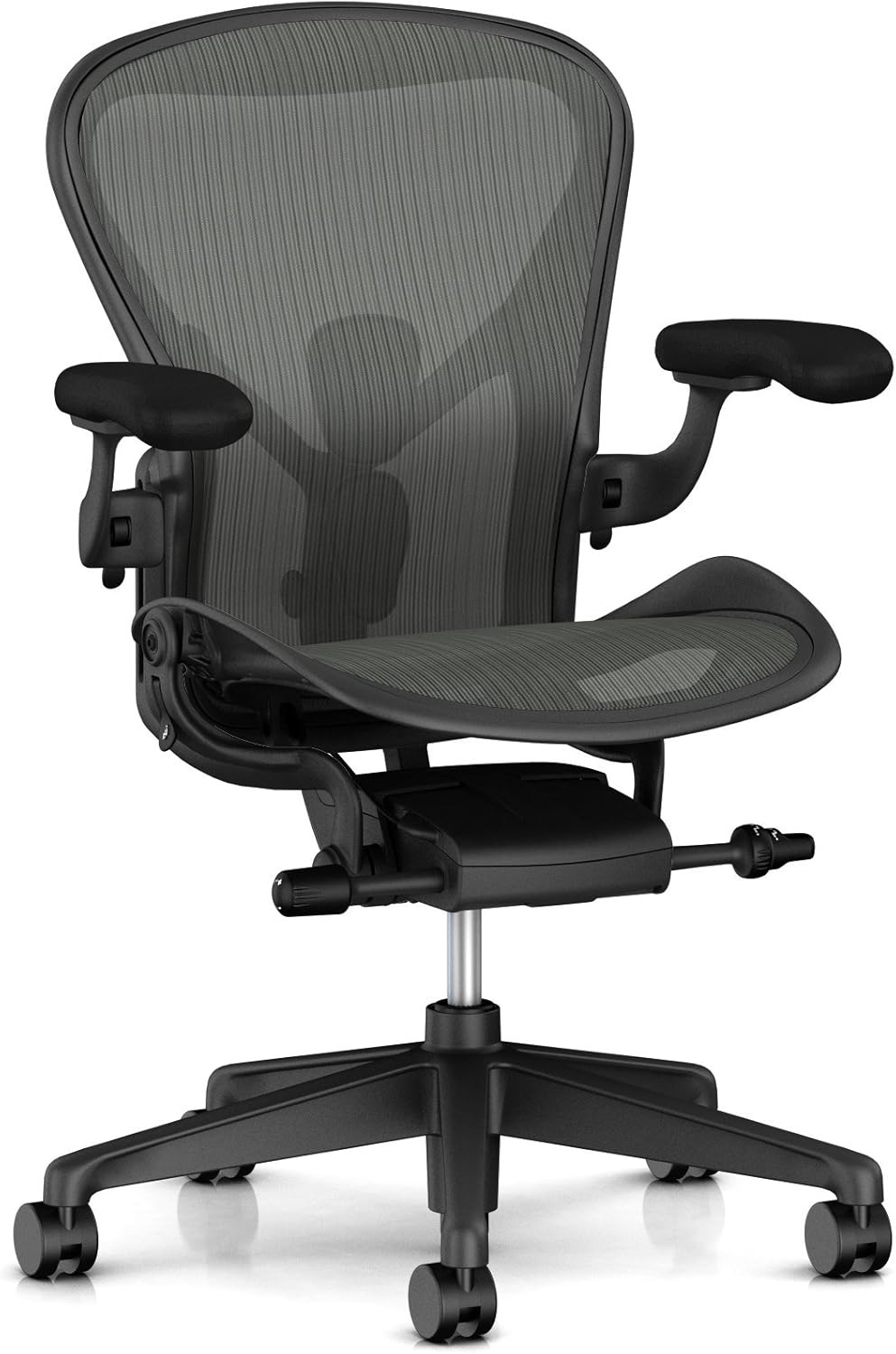
The Aeron’s mesh design spreads weight evenly instead of creating pressure points on your tailbone or piriformis. The PostureFit lumbar pad supports your sacrum and reduces disc compression that triggers leg pain.
Three sizes (A, B, C) ensure the waterfall edge lands in the correct position for your leg length. Size B fits 5’3″ to 6’0″ users weighing 130-230 pounds. Wrong sizing places edge pressure directly on nerve pathways.
The mesh stays cool during 8-hour sessions, which prevents the posture collapse that happens when foam gets hot and sweaty. Firm support works well during remission but may feel harsh during acute flare-ups.
2. Herman Miller Embody – Best for Nerve-Sensitive Users
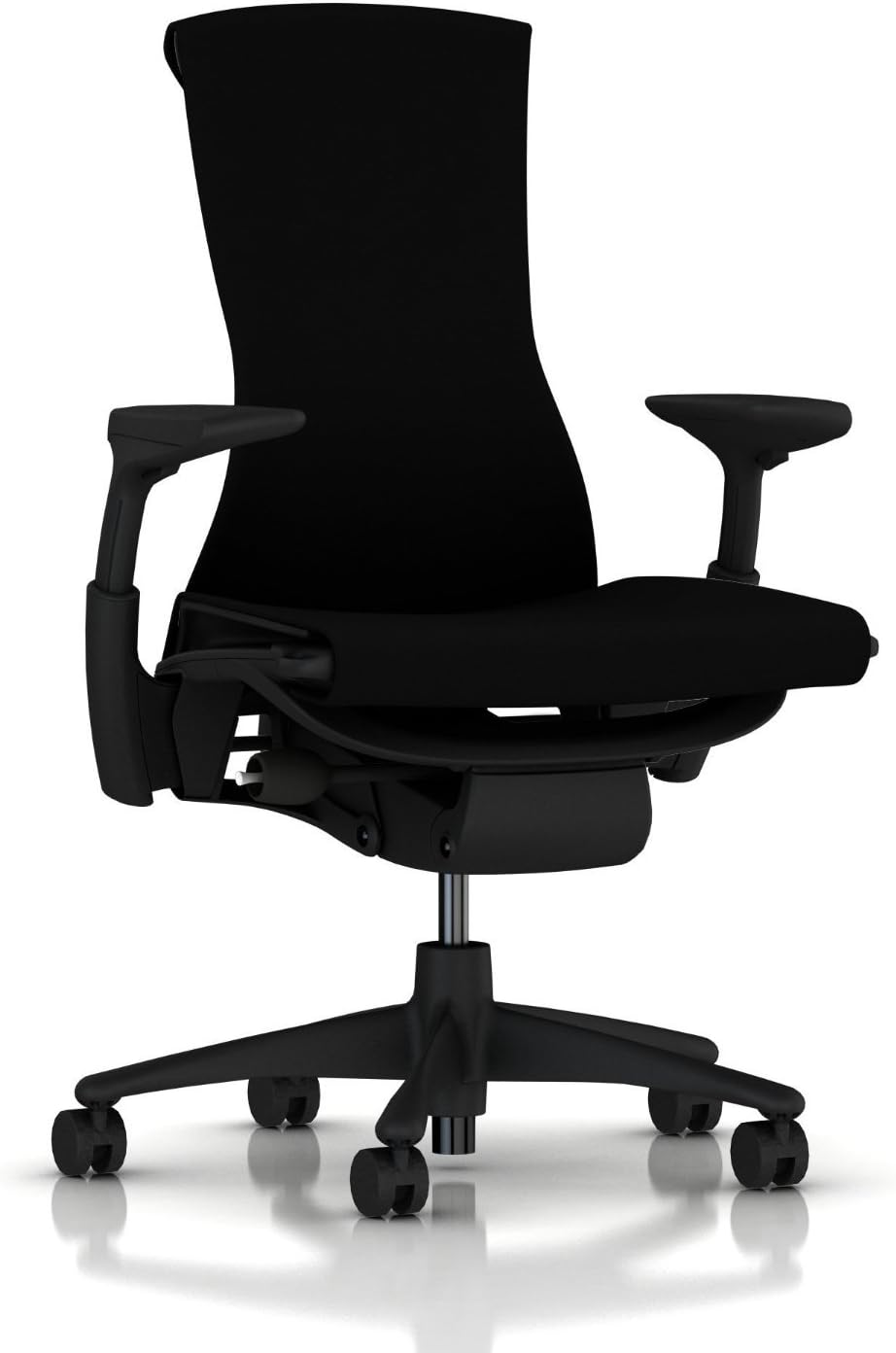
The Embody uses pixelated support that adjusts to your body continuously. This micro-movement reduces repetitive load on inflamed nerve roots.
The flexible backrest moves as you lean and twist, which keeps pressure distributed instead of focused on L4-L5 or L5-S1 disc levels. The seat spreads load across your entire posterior chain rather than creating hot spots over the piriformis muscle.
This chair suits people whose pain spikes when they sit rigidly in one position. The firm feels requires a 2-3 week break-in period. Very light users (under 120 pounds) sometimes find the mechanism too stiff.
3. Steelcase Leap v2 – Best for Mixed Back Issues

The Leap’s LiveBack technology flexes with your spine instead of holding one fixed curve. This adaptability helps whether you type upright or recline during calls.
Seat depth adjustment is smoother and more precise than most competitors, critical when 1-2 inches changes tailbone pressure dramatically. The four-position recline lock lets you save your two best angles and switch between them quickly.
This model works well in shared offices where multiple people need to adjust the same chair daily. The lumbar curve fits average spines but may need aftermarket cushions for pronounced lordosis or flat-back postures.
4. Steelcase Gesture – Best for Long Hours and Device Switching

Gesture’s 3D armrests move in all directions to support typing, tablet work, and phone use without forcing shoulder hunching. Good shoulder support prevents upper-back collapse that drags your lumbar spine out of alignment.
The seat foam is 15% softer than Leap’s, but still prevents bottoming out after six hours. Deep recline (up to 45 degrees) with synchronized tilt reduces disc pressure during reading or thinking work.
This chair reduces pain for people who shift between devices constantly. The lumbar support is less aggressive than specialty sciatica chairs, so it works better for mild to moderate cases.
5. HÅG Capisco – Best for Piriformis-Dominant Sciatica

The Capisco’s saddle seat opens your hip angle to 135 degrees instead of the standard 90 degrees. This reduces piriformis compression for people whose pain centers in the buttocks rather than the spine.
You can sit forward, sideways, backward, or perch on the edge, which lets you change positions every 10-15 minutes. Frequent position changes prevent static loading that irritates nerve tissue.
The firm saddle feels strange for the first week. This chair works best combined with a sit-stand desk for mixed sitting and standing throughout the day. It’s not suitable if you prefer sinking into soft cushioning.
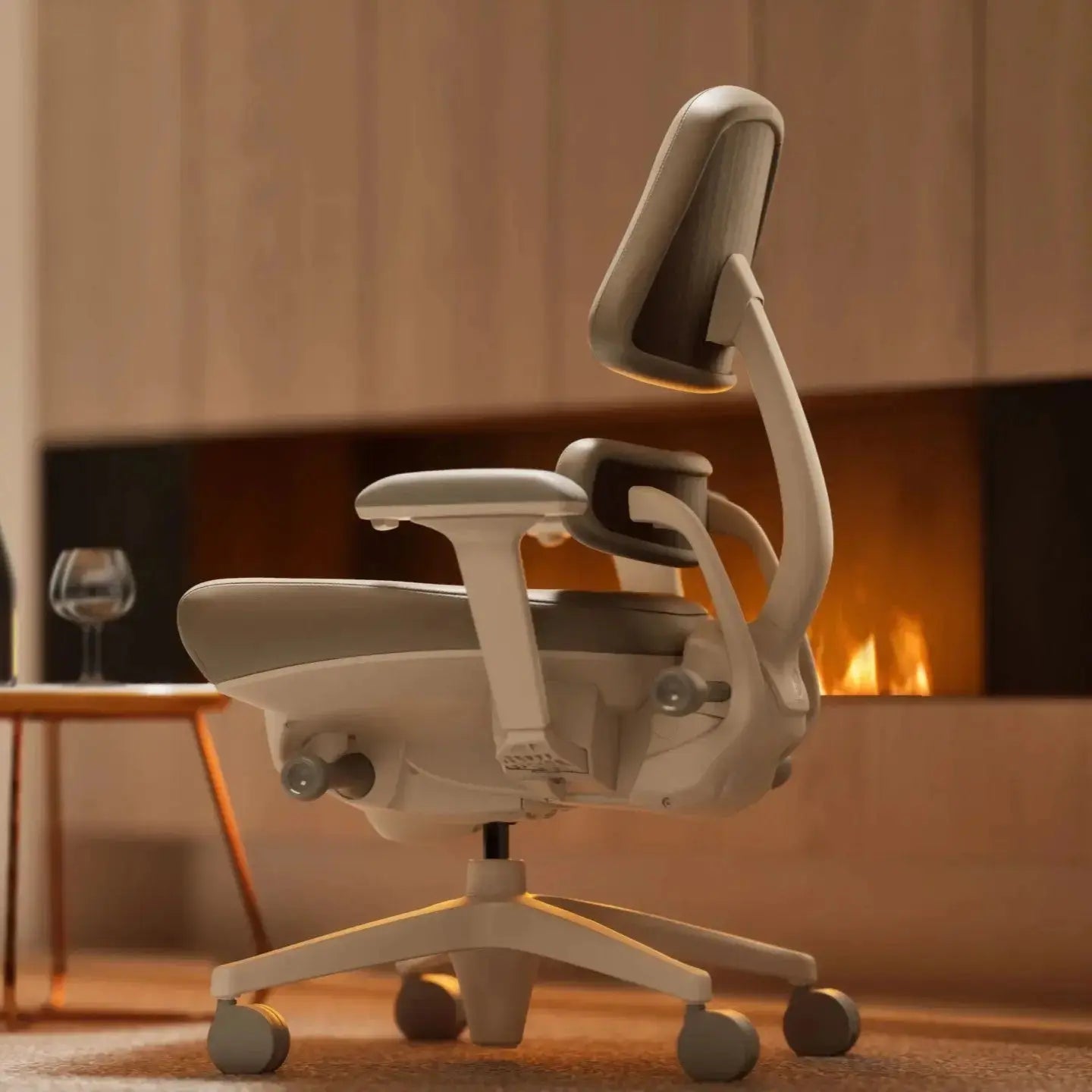
6. Anthros – Best for Targeted Pelvis Support
credit: relaxtheback.com
Anthros designed this chair specifically around pelvis mechanics and sciatic nerve pathways. The two-part backrest stabilizes your pelvis in the lower section while supporting your thoracic spine above.
The contoured seat spreads pressure away from the sciatic notch where the nerve exits the pelvis. This design helps people who feel like they’re “sitting on a nerve” with standard flat cushions.
The engineered posture feel is prescriptive rather than flexible. It works well for structured work sessions, but feels restrictive if you like to slouch or sit cross-legged.
7. Sihoo Doro Series – Best Value for Dynamic Lumbar Support

Sihoo’s C300, S100, and S300 models offer premium features at 30-40% of Herman Miller pricing. The dynamic lumbar section moves with your back instead of staying fixed.
Mesh and mesh-plus-foam seat options let you choose breathability versus cushioning. The 4D armrests match Gesture-level adjustability. Recline locks in four positions with smooth tilt tension adjustment.
Build quality varies by region and retailer. Check that your specific model includes true seat depth adjustment, not just a fixed pan. Some users report mechanism looseness after 12-18 months of heavy use.
8. Mid-Range Ergonomic Mesh Chairs – Best for Budget-Conscious Relief
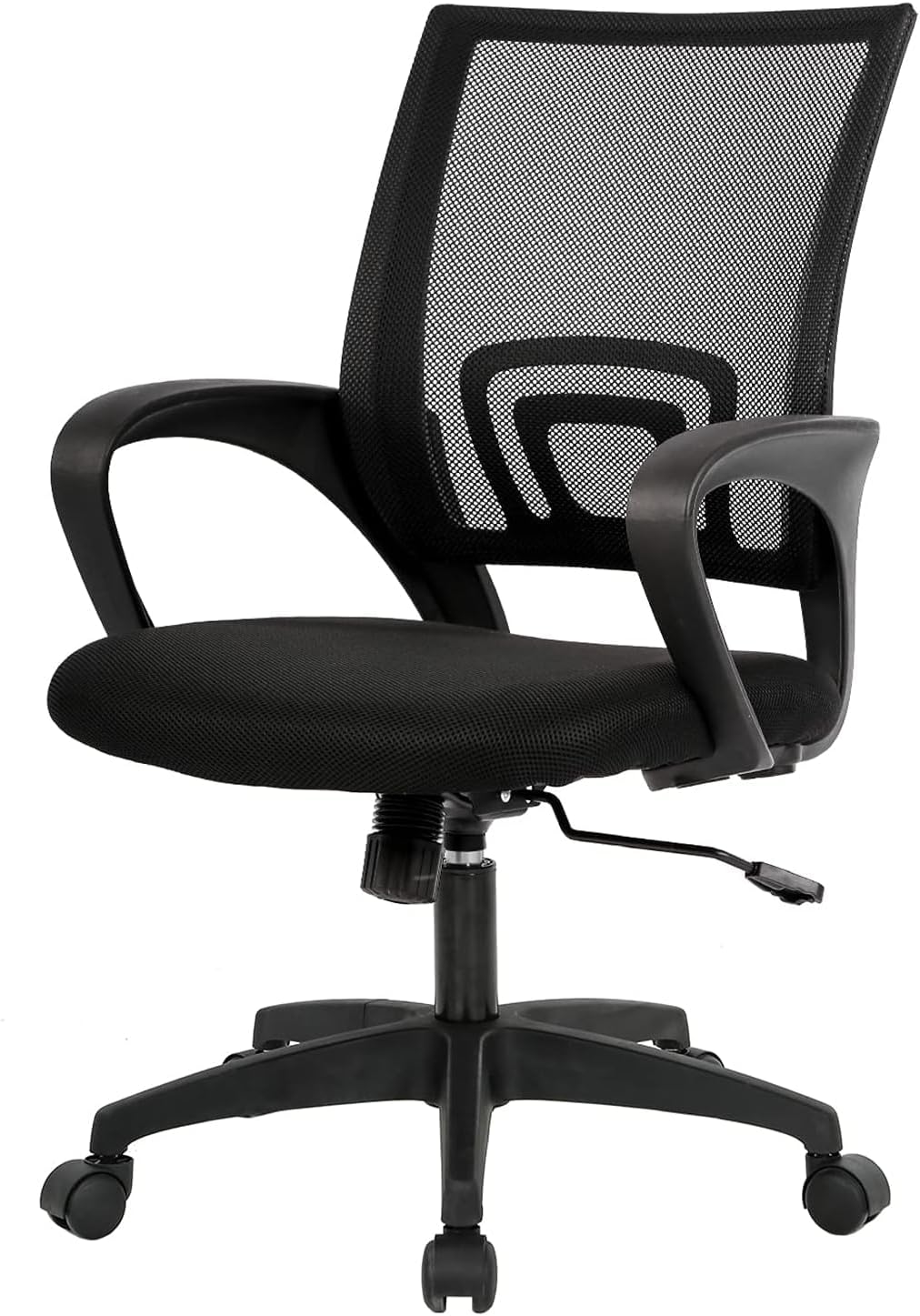
Quality mesh chairs from brands like Branch, Autonomous, or Flexispot can reduce sciatica pain significantly if they include core adjustments. Look for lumbar height and depth control, seat depth adjustment, and tilt tension with multiple locks.
A $250-400 chair with proper adjustments outperforms a $150 “ergonomic” chair with fixed dimensions. Verify the weight rating matches your body size, since light-duty mechanisms sag quickly and throw your pelvis forward.
These chairs suit home offices and lighter users under 180 pounds. Foam quality under the mesh matters; cheap foam compresses to half-thickness within six months.
9. Big & Tall Chairs – Best for Heavier Users with Sciatica
Standard chairs collapse under 250+ pounds, which tilts your pelvis and compresses nerve roots. True big-and-tall chairs use reinforced cylinders, wider seat pans, and denser foam.
Look for 400-pound weight ratings minimum, even if you weigh less. The extra capacity ensures the chair maintains proper geometry under load. Seat width should be 20-22 inches to avoid side compression of hip tissue.
Avoid “executive” big-and-tall chairs that prioritize plush padding over structure. Soft foam feels good initially, but bottoms out quickly, leaving you sitting on a hard pan with your pelvis tilted backward.
How To Choose Based on Your Pain Pattern
Match your chair to where your pain starts. Lower-back pain that shoots down your leg suggests disc or nerve root compression. Choose chairs with strong lumbar control: Aeron, Embody, Leap, or Anthros.
Deep buttock pain that worsens on hard surfaces points to piriformis involvement. Chairs that open hip angle or distribute pressure work better: Capisco, Anthros, or Embody.
Mixed patterns need adjustable seat depth, strong lumbar support, and smooth recline. Leap v2 and Gesture handle mixed symptoms well.
Body size changes chair performance. Shorter users (under 5’4″) need compact sizing and seat depth adjustment to avoid pressure behind the knees. Taller users (over 6’2″) need extended seat depth and high backrests to prevent tailbone overload. Heavier users (over 230 pounds) must prioritize weight ratings and firm foam over mesh that sags.
Set Up Steps for Maximum Sciatica Relief
Wrong adjustment turns a $1,500 chair into a pain generator. Follow this sequence exactly.
Set seat height so your feet rest flat with knees at or slightly below hip level. Use a footrest if needed, rather than lowering the chair so far that your desk becomes too high.
Adjust seat depth to maintain 2-3 fingers of space between your knees back and the seat edge. Test by sliding your hand behind your knee while seated fully back.
Position lumbar support at belt-line height, not between shoulder blades. Adjust firmness until you feel gentle support, not a hard ridge. If pain increases, lower the pad by one inch and retest.
Set recline tension so leaning back requires light effort but stays controlled. Establish two positions: upright at 95-100 degrees for typing, reclined at 110-115 degrees for calls and reading. Switch every 20-30 minutes.
Adjust armrests so your shoulders stay relaxed with forearms roughly parallel to your desk. Arms too high force shoulder hunching; too low causes upper-back collapse that pulls your lumbar spine forward.
Daily Habits That Reduce Sitting Pain
Your chair handles 70% of the problem. Daily movement handles the other 30%.
Stand and walk for 90-120 seconds every 25 minutes. Short, frequent breaks reduce nerve irritation better than one long break every two hours. Set a silent timer on your phone.
Alternate between sitting and standing if you have a height-adjustable desk. Start with 20 minutes standing per hour and increase gradually. Standing too long can trigger different pain patterns.
Test a cut-out cushion only if you have severe tailbone or piriformis pain that doesn’t improve with chair adjustment alone. Avoid sinking too deep, which curls your pelvis under and increases disc pressure.
See a physical therapist or chiropractor if pain spreads, increases despite chair changes, or comes with numbness or leg weakness. These signs suggest nerve compression that needs medical evaluation.
Final Recommendation
Premium chairs (Aeron, Embody, Leap, Gesture, Anthros) deliver the best long-term results if your budget allows $1,000-1,800. Choose based on whether your pain centers in the spine (Aeron, Leap) or buttock (Capisco, Anthros), and whether you prefer mesh (Aeron, Embody) or foam (Leap, Gesture).
Mid-budget buyers should focus on Sihoo Doro models or quality ergonomic mesh chairs with verified lumbar and seat depth adjustment. Verify build quality through recent reviews, since manufacturing consistency varies.
Heavier users must prioritize true big-and-tall ratings with reinforced components. A $500 properly-rated chair will outperform a $1,200 standard chair that collapses under your weight.
Correct adjustment matters as much as the chair brand. Spend 15 minutes following the setup sequence above, then fine-tune based on pain response over three days. Combine your chair with regular movement breaks to give your sciatic nerve the best recovery environment.
Best Office Chair by Category
Best by Features & Functions
Best Office Chairs for Big Tall People
Best Reclining Office Chairs
Best Office Chair for Gaming
